


Screenshots, Claims, and Fake Links: What to Check

Why Online Claims Deserve a Second Look
Online claims spread quickly in gaming communities, social media posts, comment sections, group chats, and reposted screenshots. A user may see a payment screenshot, a bonus offer, a warning about JILIBB, or a claim about another gaming platform and assume it is true because many people are sharing it.
But repetition is not proof. Screenshots may be incomplete. Comments may be planted. Reposts can strip away the original source. Even official-sounding claims can leave out the details that would prove them.
For Filipino internet users, safer online habits start with one question: what actually proves this? That question matters whether the issue involves phishing links in the Philippines, suspicious gaming pages, fake website warnings, or general online scam awareness.
Screenshots Are Clues, Not Final Proof
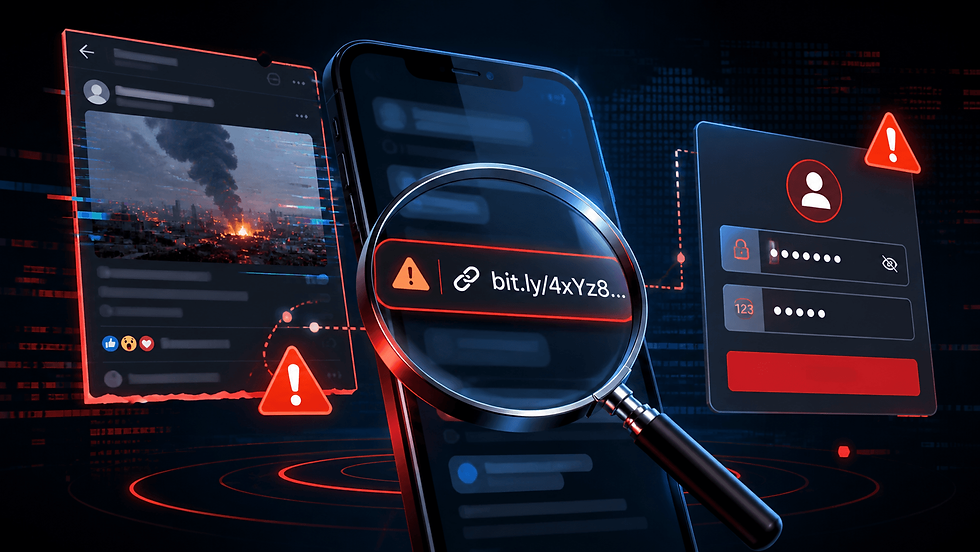
Screenshots can help users understand a claim, but they should not be treated as final proof. They can be cropped, edited, copied from another post, or taken from an old page.
Before trusting one, look at what it hides. A cropped URL, missing date, unclear source, or recycled image can make a weak claim look stronger than it is.
A screenshot with a hidden URL, no date, or unclear source is weak evidence. It may support a claim, but it should not carry the whole argument. Check it against the domain, the login process, and other sources before treating it as proof.
How Fake Links and Login Pages Trick Users
Fake links often work because they look familiar at first glance. A scammer may change one letter in a domain, add extra words, use a strange domain ending, or hide the destination behind a shortened link. On a mobile screen, those details are easy to miss.
After the tap, the user may be sent somewhere unexpected. The page may copy the logo, colors, buttons, and layout of a real platform. That is how fake login pages collect usernames, passwords, wallet PINs, OTPs, recovery codes, or other account details.
Urgency is another warning sign. Be careful with messages about account suspension, expiring rewards, verification problems, locked withdrawals, or bonus offers that must be claimed right away. Scammers use pressure because they want users to act before checking where they are.
For better mobile account safety, never enter sensitive details through a link you have not checked.
Digital Trust Signals Worth Checking
No single signal proves a site is safe. A professional-looking page can still be fake. A lock icon can appear on a risky site. A screenshot can look convincing while hiding the URL, date, or source. What matters is whether the details hold together.
Official domain: Manually check the website address instead of trusting comments, reposts, screenshots, or shortened links. Watch for misspellings, extra hyphens, added words, unusual endings, or addresses that only look official at a quick glance.
Login and account security: HTTPS is a basic signal, but it is not proof that a site is legitimate. Treat it as a minimum expectation, not a guarantee. Check whether the login flow makes sense, and avoid pages that ask for OTPs, passwords, wallet PINs, or recovery codes too early.
Policies and contact details: Clear privacy policies, terms, responsible-use information, support channels, and transparent platform details can help users judge credibility. Missing, vague, copied, or broken pages are not automatic proof of fraud, but they are reasons to pause.
A Safer Way to Compare Platform Claims
When someone asks, “Is jilibb com legit or not?” the useful answer does not come from a single screenshot, comment, or repost. It comes from checking the evidence behind the claim.
Start with the domain. Does the web address match what the platform presents elsewhere? Are there odd spellings, extra words, or redirects before the login page appears? A copied design can look convincing, but the address often shows whether the user is in the right place.
Then look at the login flow. A page that asks for sensitive details too early deserves closer attention. So does any page that pushes users to act before they can inspect the URL, read the page, or compare the claim with other reliable details.
Do not enter personal information until you have checked the domain, the login flow, and the source of the claim. That habit protects your account, phone number, wallet access, personal data, and digital identity.
Quick Safety Checklist Before You Tap or Log In
Use this checklist before trusting a gaming link, login page, screenshot, or platform claim:
Verify the full URL before logging in.
Avoid shortened links from comments, chats, or reposts.
Do not share OTPs, passwords, PINs, or recovery codes.
Check screenshots for missing dates, cropped URLs, or unclear sources.
Look for independent confirmation before trusting a claim.
Use strong, unique passwords.
Stop if the page creates urgency or pressure.
Leave the page if the login request feels unusual.
These checks help prevent rushed mistakes. Slow down when a link points to the wrong place, a screenshot hides what would prove the claim, or a login page asks for sensitive details before you know where you are. Trust should come after the evidence, not before it.
Be Slower Than the Scam
Filipino internet users do not need to trust every screenshot, comment, repost, or gaming link immediately. Scams often depend on speed. They push users to tap fast, log in fast, claim fast, or share codes fast.
Careful checking gives you time to notice a strange domain, a suspicious redirect, a copied login page, or a request that does not belong. Those small pauses can protect accounts, money, personal data, and digital identity.
A safer user is not someone who distrusts everything. A safer user knows when a claim has not earned trust yet.
FAQs About Online Platform Safety
Can a screenshot prove that an online platform is safe?
No. A screenshot can support a claim, but it cannot prove safety by itself. It may be cropped, edited, copied, outdated, or missing key details such as the full URL, date, source, and account identity.
How do I know if a gaming link is fake?
Check the full domain, spelling, redirects, page behavior, and login request. Be careful with shortened links, urgent messages, lookalike pages, and any page asking for OTPs, passwords, wallet PINs, or recovery codes.
Why should I check the official domain before logging in?
The official domain helps you avoid fake pages that copy a platform’s design. Logos, colors, and layouts can be copied, but the website address is harder to fake when users inspect it carefully.
What should I do if I entered my OTP on a fake page?
Stop using the page immediately. Change the affected password, secure related accounts, check connected email or wallet access, enable stronger account protection, and report the incident to the relevant platform or service provider.


Comments